Dance in Balinese Ceremonies: What Every Australian Traveller Should Know
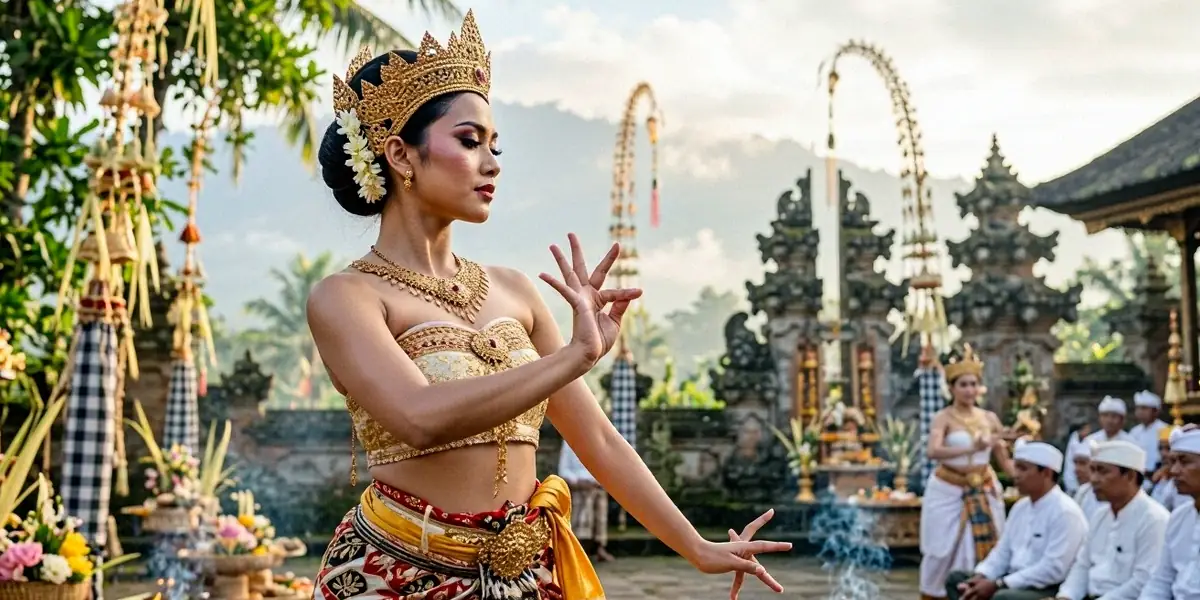
The sun has just dipped behind the palms when you arrive at the temple gate. Worshippers in white and gold are streaming in with offerings balanced on their heads, and then you hear it — the first deep gong, followed by the shimmering cascade of a metallophone. The gamelan has started. A young girl in a towering headdress steps into the courtyard, and you realise this isn’t a show for tourists. It’s an offering, and the dance is the prayer. If you’re an Australian traveller heading to Bali, understanding this distinction is the key to experiencing the island’s most extraordinary performances.
Why Dance Is the Heart of Balinese Ceremonies
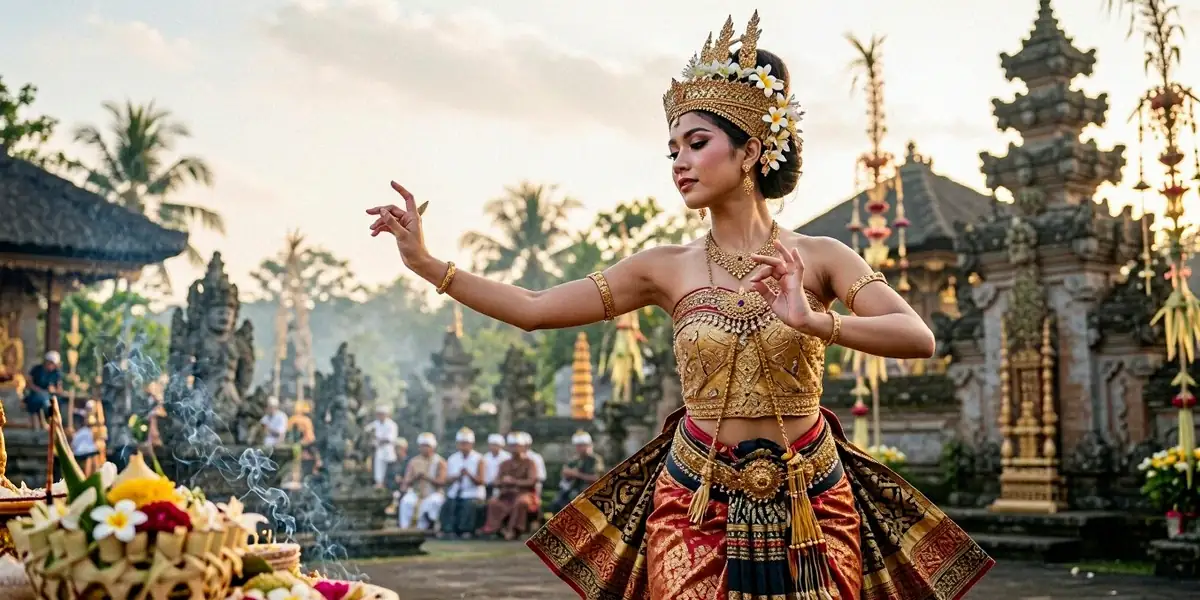
In Balinese Hinduism, dance is not entertainment — it’s a sacred offering (bebali) presented to deities and ancestors. The Balinese phrase for dance, tari, is tied to the concept of taksu, a kind of spiritual charisma that performers must possess to properly honour the gods. When a temple celebrates its anniversary, the dance is part of the ritual itself.
Our team has watched Australian visitors arrive at a ceremony expecting a cultural show, then quietly realise that the dancers are performing to the deities, not to the audience. The best way to experience this is to understand what’s happening around you.
The Role of Dance in Temple Rituals
At an odalan (temple anniversary), the dance is performed in the inner courtyard as part of the ceremony, and the dancers are often temple servants or local devotees. Galungan and Kuningan — major Balinese Hindu holidays when dance is performed at temples — see the island’s performance traditions at their most vibrant. During these ten-day cycles, dance and gamelan are part of the ritual, not an add-on. The dance is performed at temples, not as an add-on, and it is part of the ritual, not an add-on.
How Australian Visitors Can Respectfully Observe
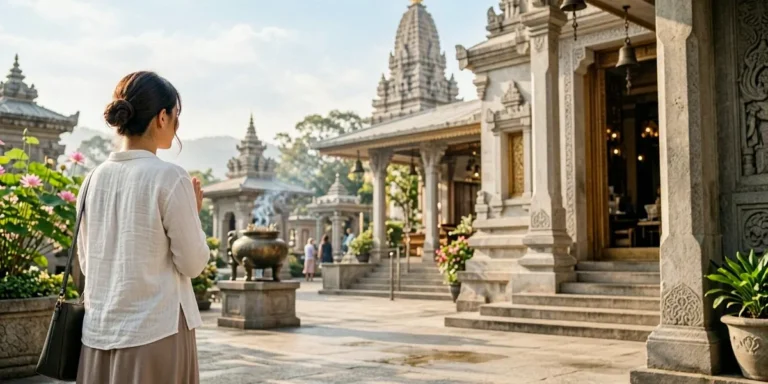
We recommend watching from the edges of the courtyard, keeping your voice low and never stepping between a dancer and the shrine. If you’re invited to sit, sit on the ground or a low stool, and keep your head below the level of the offerings. If you’re unsure, follow the lead of the local worshippers — they’ll be sitting, kneeling or standing in prayer, not filming.
The Main Ceremonial Dances You’ll See
Three dances dominate the ceremonial calendar, and each is accompanied by its own gamelan orchestra. Understanding what each one represents will help you follow the story.
Legong: The Dance of the Heavenly Nymphs
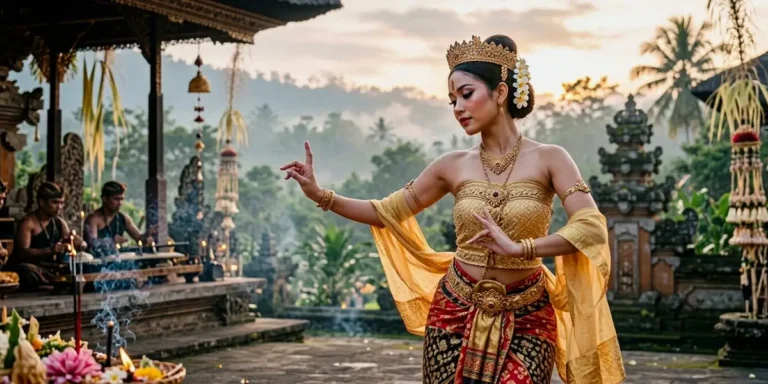
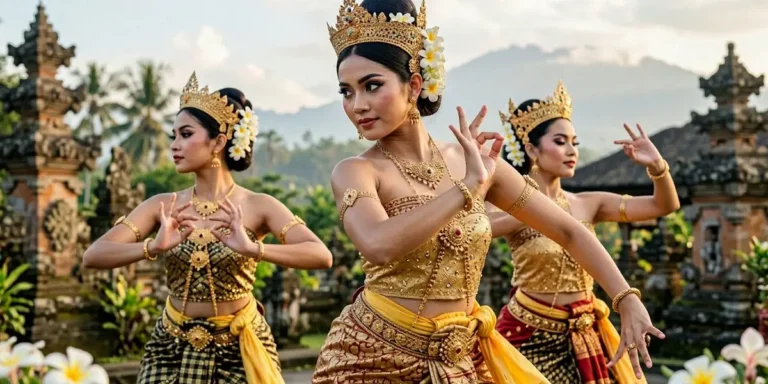
Legong is performed by young girls, often as young as eight or nine, in tightly fitted costumes and elaborate headdresses. The movements are famously precise — trembling fingers, darting eyes, and sudden shifts of the body — and the story is drawn from Balinese and Javanese legends, often about a king or a princess. We always suggest watching the dancers’ eyes, as they are the most expressive part of the performance. Legong is a classic Balinese dance, and the gamelan is typically a separate orchestra.
Barong: The Protective Spirit
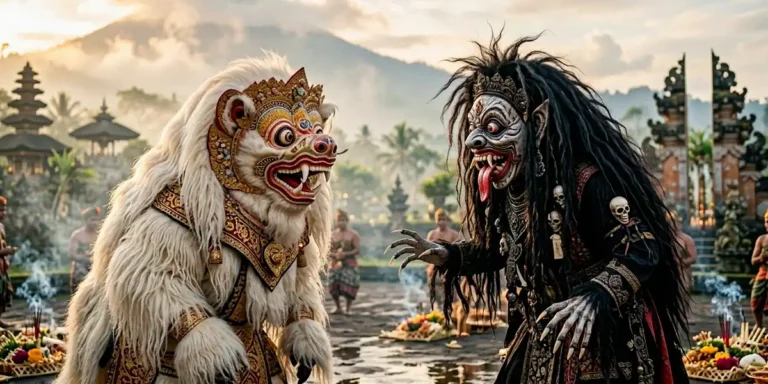
Barong is a masked, lion-like creature representing good, and it is danced in a trance-like state, often accompanied by the demon queen Rangda. The dance is a dramatic battle between good and evil, and it is performed in the temple courtyard, often with the gamelan playing in the background. We advise keeping a respectful distance, as the dancers can move unpredictably and the trance state can be intense.
Kecak: The Monkey Chant
Kecak is a men’s chorus, often performed at temple festivals and cremations, and it is a Balinese dance and gamelan tradition. The chorus chants in interlocking rhythms, and the performance is often a dramatic telling of the Ramayana. The gamelan is typically a separate orchestra, but the Kecak chorus is the driving force. We always suggest arriving early, as the Kecak can be performed at dusk and the light is part of the experience.
Gamelan: The Sound That Drives the Ceremony
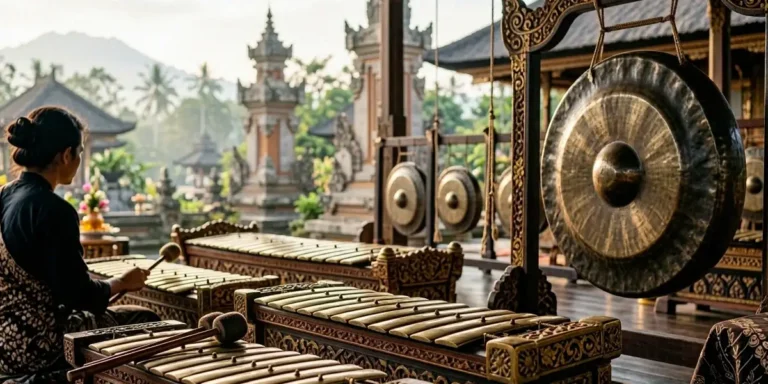
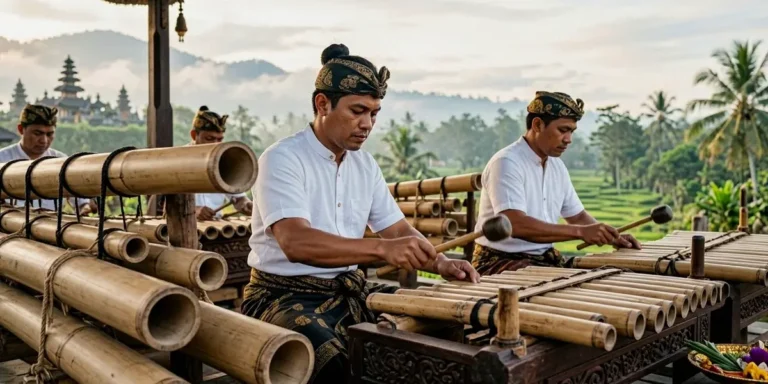
The gamelan orchestra is the heartbeat of the ceremony. The gamelan orchestra typically includes metallophones, gongs, and drums, and each village has its own set. The gamelan is not just background music — it is the ritual sound that calls the deities and guides the dance. The gamelan is a separate orchestra, and the gamelan is typically a separate orchestra.
Key Instruments You’ll Hear
When you listen to a gamelan, you’ll hear a layered texture of instruments. The main ones are:
- Gongs — large, hanging gongs that mark the structure of the piece and the ceremony.
- Metallophones — bronze keys struck with mallets, including the gangsa and gender, which carry the melody.
- Drums — the kendang leads the tempo and signals changes in the dance.
- Flutes and strings — the suling (bamboo flute) and rebab (spike fiddle) add colour and melody.
We always tell travellers to listen for the gong cycle — it’s the structural spine of the music, and it’s what makes the gamelan so hypnotic.
Village Gamelan Groups and Australian Connections
Each village has its own gamelan group, and these groups are often the heart of the ceremony. Australian travellers can hear them at temples across Bali, including Ubud and Uluwatu. The gamelan is a separate orchestra, and the gamelan is typically a separate orchestra. We also note that many Australian musicians and cultural groups have studied Balinese gamelan, and there are workshops in Australia that can give you a head start before you fly.
Where and When to Experience Ceremonial Dance in Bali
Australian travellers often visit Bali during the dry season (April to October), which overlaps with many temple ceremonies. We suggest planning around the major ceremonial dates, as the temples are at their most active.
Major Ceremonial Dates for 2025-2026
Galungan and Kuningan are the key dates, and the odalan (temple anniversaries) are scattered across the island throughout the year. We recommend checking with your local guide or the temple directly, as the Balinese calendar is complex. Some key dates to plan around:
- Galungan — a major Balinese Hindu holiday when dance is performed at temples, typically every 210 days.
- Kuningan — the closing of the Galungan cycle, ten days later.
- Odalan — temple anniversaries, which vary by temple and are often the best chance to see ceremonial dance.
Temples That Welcome Visitors
Besakih, Tanah Lot, and Uluwatu are the most popular temples for visitors. Uluwatu Temple hosts a famous Kecak dance at sunset, popular with Australian tourists. We always suggest arriving early for the Kecak at Uluwatu, as the cliff-top setting fills up quickly. Besakih, the mother temple, is also a key site, but we advise checking whether a ceremony is open to visitors before you go.
Etiquette and Tips for Australian Travellers
A sarong and sash are required attire for entering Balinese temples, and many temples rent them for a small fee. We always recommend bringing your own sarong and sash if you plan to visit several temples, as it’s more comfortable and respectful.
What to Wear and Bring
Dress modestly — shoulders and knees covered — and wear a sarong and sash. Bring a light layer, as ceremonies can run into the evening, and a small amount of cash for temple rentals or donations. We also suggest a reusable water bottle and a hat, as the dry season can be hot.
Do’s and Don’ts During a Ceremony
We’ve put together a quick list to help you observe respectfully:
- Do sit on the ground or a low stool, and keep your head below the level of offerings.
- Do follow the lead of local worshippers, and keep your voice low.
- Don’t walk in front of people praying, or step between a dancer and the shrine.
- Don’t use flash photography, or point your feet at the altar.
- Don’t film or photograph unless you’re sure it’s permitted.
How to Learn More Before You Go
We suggest starting with local guides, books like ‘Balinese Dance, Drama and Music’ by I Wayan Dibia, and Australian-based cultural workshops. Our team also offers a free email course for subscribers, which covers the basics of Balinese dance and gamelan and helps you plan your trip around ceremony schedules. We always tell travellers that a little preparation makes the experience far richer.
FAQ
Can Australian tourists attend Balinese temple ceremonies?
Yes, many ceremonies are open to visitors, provided you wear a sarong and sash and follow the etiquette. We always suggest checking with your guide or the temple first, as some rituals are private.
What is the best time to see Balinese dance?
Galungan, Kuningan, and odalan (temple anniversaries) are the best times. The dry season (April to October) overlaps with many ceremonies, and Uluwatu Temple hosts a famous Kecak at sunset.
Do I need to bring my own sarong?
Many temples rent sarongs and sashes for a small fee, but we recommend bringing your own for comfort and to visit several temples.
What is the difference between Legong, Barong, and Kecak?
Legong is a graceful dance by young girls, Barong is a masked, lion-like creature representing good, and Kecak is a men’s chorus, often performed at temple festivals and cremations.
Is flash photography allowed during ceremonies?
No — we advise against flash photography and filming unless you’re sure it’s permitted, as it can disrupt the ceremony and is disrespectful.
Witnessing a Balinese ceremony is a privilege, and understanding that the dance is a sacred offering rather than a performance deepens the travel experience for Australian visitors. We hope this guide helps you observe respectfully and plan your trip around the island’s remarkable ceremonial calendar.