Taking a Balinese Dance Class: What Australian Travellers Need to Know
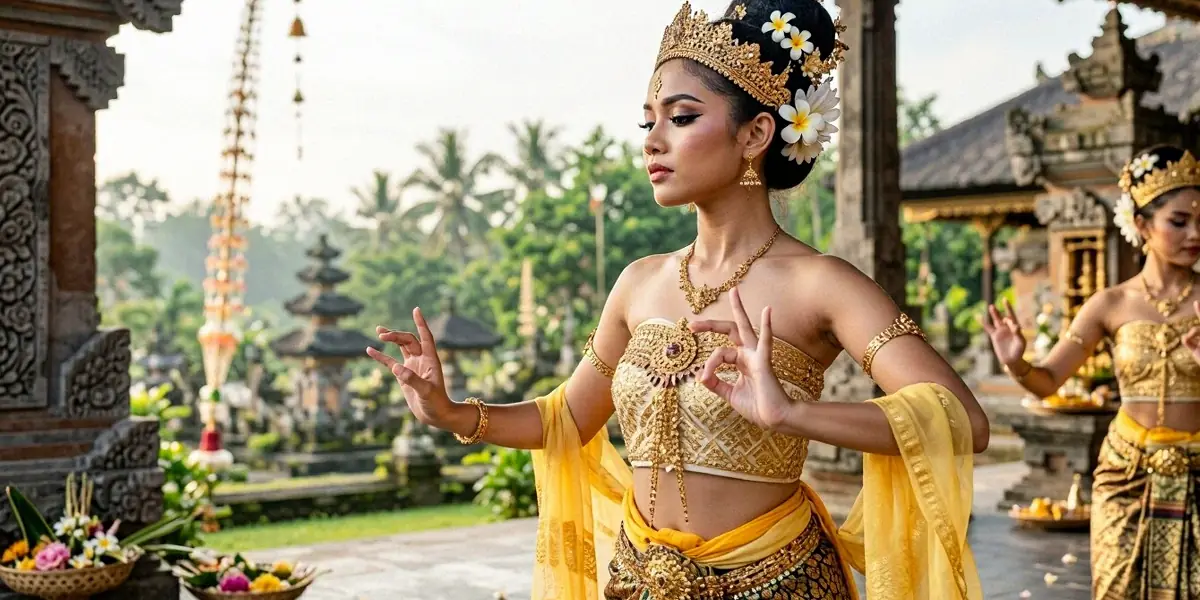
You’re walking down Jalan Hanoman in Ubud just after sunset when you hear it — the metallic shimmer of gamelan gongs and the rapid patter of kendang drums drifting through a temple gate. A group of women in gold-painted costumes are rehearsing, their fingers bending backwards in ways you didn’t think possible. You stop. You watch. And then you think: could I actually do that? The answer is yes, and it’s easier to organise than most Aussies realise. We’ve put together this guide so you can walk into a studio in Ubud, Seminyak or Sanur and know exactly what you’re signing up for.
Why We Think Every Aussie Should Try a Balinese Dance Class
Bali is a short flight from major Australian cities like Perth, Sydney, and Melbourne — Perth is under four hours, and the east coast is roughly six to seven — which means plenty of Australians treat the island like a second backyard. That familiarity is exactly why a dance class is worth your time. It takes you past the beach clubs and the smoothie bowls and into a living art form that has been passed down through generations of Balinese families.
It’s a Full-Body Workout (and Way More Fun Than the Gym)
Don’t let the graceful appearance fool you. A 90-minute Balinese dance class will work your calves, thighs, core, and shoulders harder than most hotel gym sessions. The signature deep plié position (known as agem) keeps your legs bent and turned out for extended periods, while the constant arm and finger articulation builds serious stamina in the hands and forearms. You’ll sweat. You’ll also laugh at yourself a lot, which is half the point.
A Deeper Connection to Balinese Culture Beyond the Beach Clubs
Balinese dance isn’t a performance put on for tourists — it’s tied to temple ceremonies, community life, and Hindu-Balinese spirituality. When you learn even a short sequence, you start to understand why certain gestures are offered upward, why the eyes dart in specific directions, and why the gamelan tempo shifts the way it does. Australians who’ve visited Bali a dozen times often tell us this was the first time they felt genuinely connected to the island rather than just relaxing on it.
The Main Styles You’ll Encounter: Legong, Kecak, Barong, and More
Most beginner classes focus on the classical female styles, but you’ll also see workshops for the big ceremonial forms. Here’s what each one actually involves.
Legong: The Jewel of Balinese Dance
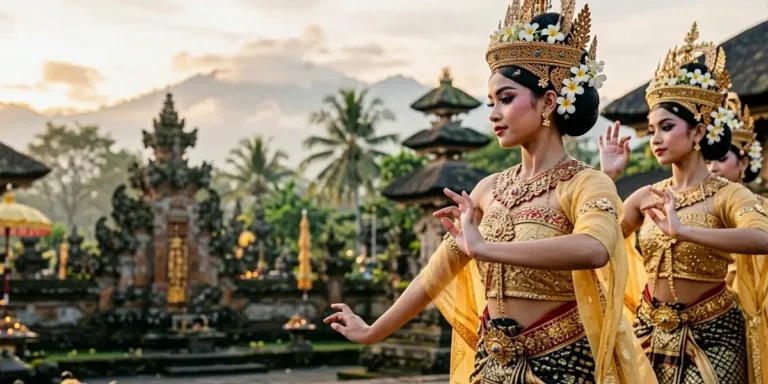
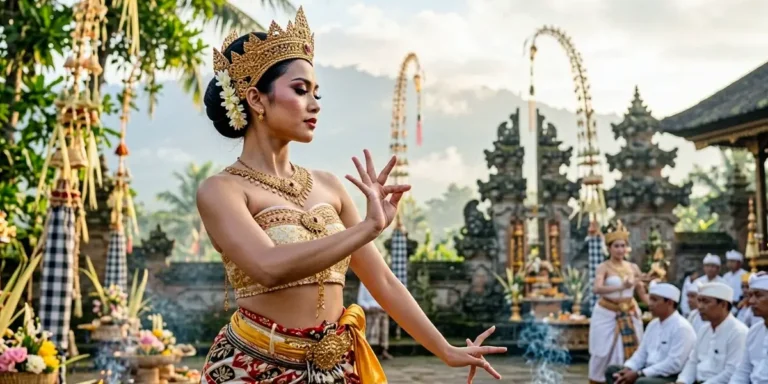
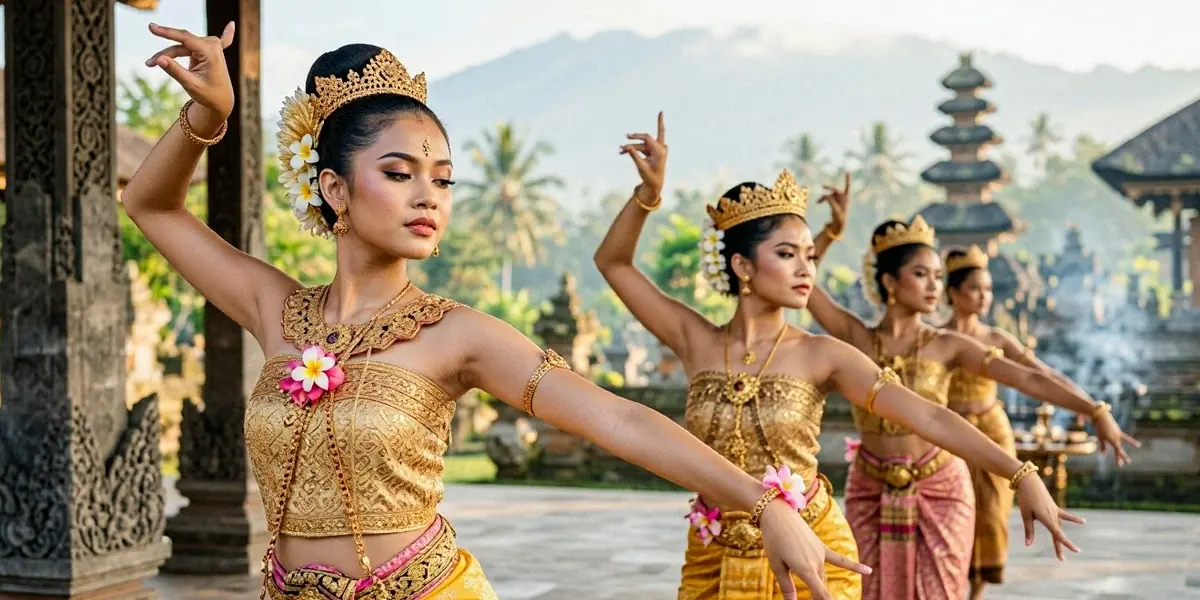
Legong is traditionally performed by young girls and features intricate finger movements, darting eye gestures (seledet), and tightly choreographed footwork that mirrors the gamelan’s interlocking rhythms. It’s the style most commonly taught to beginners because its fundamentals — posture, hand positions, eye direction — underpin almost everything else in the Balinese repertoire.
Kecak: The Monkey Chant Phenomenon
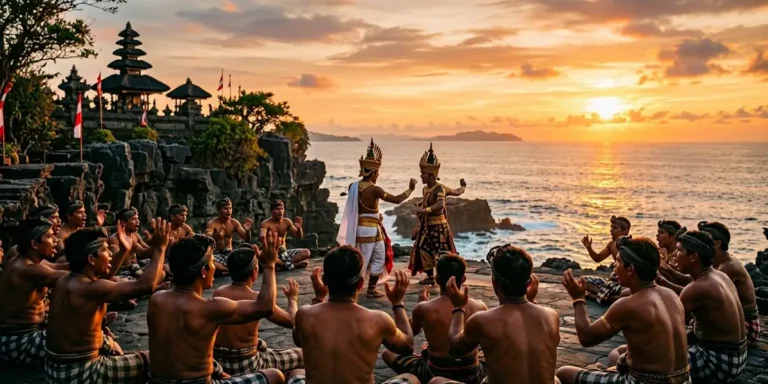
Kecak is a unique Balinese dance that involves a choir of men chanting ‘cak’ in layered, rhythmic patterns while seated in concentric circles. There’s no gamelan orchestra — the human voice is the music. Some studios in Ubud offer visitors the chance to sit in on a Kecak rehearsal and learn a few of the chant patterns, which is a surprisingly good workout for your diaphragm.
Barong: The Masked Dance of Good vs Evil
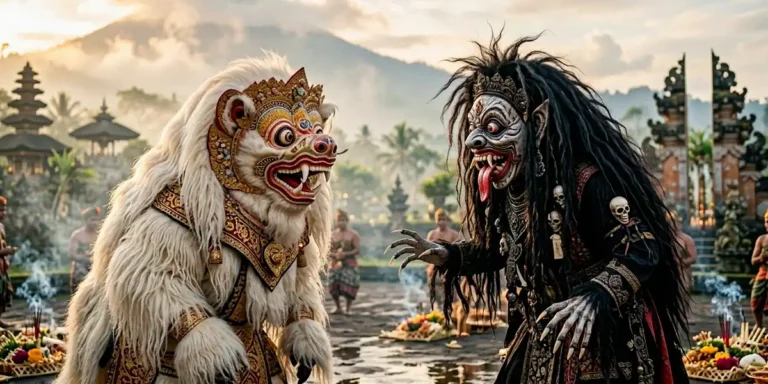
Barong tells the story of the lion-like spirit Barong battling the demon queen Rangda — an eternal struggle between good and evil. The mask itself is sacred and treated with great respect; you won’t be wearing one in a beginner class, but you may learn some of the accompanying movement vocabulary or watch a rehearsal at a temple or cultural centre.
What to Expect in a Beginner Balinese Dance Class
Classes aimed at foreigners are structured, patient, and usually conducted in English. You don’t need any prior dance experience. Here’s how a typical 60 to 90-minute session runs.
The Warm-Up and Basic Postures
You’ll start with gentle stretches for the wrists, ankles, and hips, followed by an introduction to the foundational stance: knees bent, weight low, torso lifted, chin slightly tucked. Holding this position for even two minutes is humbling. Instructors will adjust your alignment constantly — expect hands-on corrections, which is normal and part of the learning process.
Learning the Eye and Hand Gestures
This is where Balinese dance gets fascinating. You’ll practise mudra-like hand positions, including the famous backward-bending fingers, and learn to follow your own hand movements with your eyes. The coordination between hand, eye, and head direction is what gives the dance its hypnotic quality — and it takes most beginners a full class just to stop looking in the wrong direction.
Putting It Together: A Short Choreography
By the end of the session, most studios teach a short sequence — often 30 to 60 seconds of choreography set to recorded gamelan. It’s enough to feel the rhythm click and to walk away with something you can actually show friends back home. Many studios in Ubud and Seminyak cater specifically to foreigners, so the pace is forgiving.
Where to Take Classes in Bali: Our Top Picks for Australians
We’ve visited or received consistent feedback about the following options from Australian travellers.
Ubud: The Cultural Heart
Ubud is considered the cultural heart of Bali and hosts many dance studios, often attached to community banjar halls. Taman Kaja (also known as the Ubud Water Palace area) runs regular evening classes and cultural nights. Studios around Jalan Suweta and Jalan Raya Ubud also offer private lessons, and several can arrange hotel pickup if you’re staying in the centre.
Seminyak and Canggu: Convenient Options
If you’re based in the south, Balerung Stage in nearby Peliatan (a short drive from Seminyak) is well known for its traditional performances and workshop offerings. Several Canggu wellness studios have added Balinese dance to their timetables, which suits travellers who want a class between surf sessions.
Sanur: Quieter, Local-Focused Studios
Sanur tends to attract a calmer crowd, and its dance studios often have a more local, community-driven feel. Classes here are smaller, which means more individual attention — ideal if you’re nervous about keeping up.
What to Wear, Bring, and Know Before You Go
Clothing and Footwear
- A sarong and sash (usually provided by the studio, but bring your own if you have one)
- Comfortable, flexible clothing — leggings or loose trousers work well
- Bare feet for the class itself; flip-flops or sandals for before and after
- A reusable water bottle — Bali’s heat is no joke
- Reef-safe sunscreen for the walk to and from the studio
Etiquette and Temple Rules
If your class is held in or near a temple, dress modestly, keep your shoulders covered, and never step over an offering (canang sari) on the ground. Don’t touch masks or ceremonial objects unless invited. Point with your right hand, not your foot. These small gestures go a long way with local instructors and communities.
Booking and Costs
Group classes typically run between IDR 150,000 and 350,000 per person (roughly AUD $15–35), while private lessons can be IDR 500,000 or more. Book a day or two ahead in high season (June–August and December–January). Many studios accept payment in cash or via bank transfer apps, so carry some rupiah.
Gamelan: The Music That Brings the Dance to Life
You can’t separate Balinese dance from gamelan — the dancers’ movements are literally locked to the music’s structure. Gamelan music uses two main scales: pelog and slendro, which give the ensemble its distinctive shimmering, slightly unfamiliar tone to Western ears.
The Instruments You’ll Hear
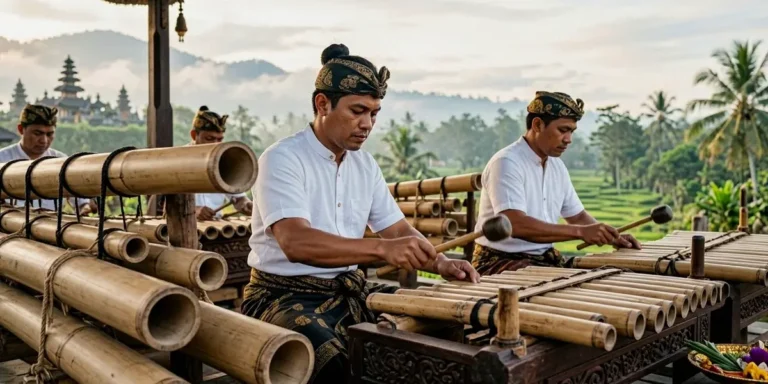
The ensemble typically includes metallophones like the gangsa, gong chimes such as the reyong, drums (kendang), and the large hanging gongs that mark the cycle. In a dance class, you’ll usually hear a recording — but watching a live gamelan rehearse is worth seeking out.
Can You Learn Gamelan Too?
Yes. Several cultural centres in Ubud and Peliatan offer combined dance and gamelan workshops, where you can try a metallophone or the kendang drum alongside your dance session. It’s a brilliant way to understand how the two art forms breathe together.
Frequently Asked Questions
Do I need any dance experience to join a Balinese dance class?
No. Beginner classes are designed for complete newcomers, including people who’ve never danced before. Instructors are used to teaching foreigners and will break movements down slowly.
How long is a typical class?
Most group classes run 60 to 90 minutes, including warm-up, technique, and a short choreographed sequence. Private lessons can be tailored to your schedule.
Is it appropriate to take photos or videos during class?
Ask first. Many studios are happy for you to film your own learning, but photography inside temple grounds during ceremonies is often restricted. Respect any signage or instructions from your instructor.
Can children join Balinese dance classes?
Yes — many studios welcome children aged six and up, and some run dedicated kids’ sessions. It’s a wonderful family activity, especially given how close Bali is to Australia.
What’s the best time of day to book a class?
Late afternoon or early evening, when the heat has eased and rehearsals often coincide with live gamelan practice. Morning classes are cooler but can clash with temple preparations.
Taking a Balinese dance class is one of the most memorable, respectful ways to engage with the island’s culture — far more so than another afternoon by the pool. Whether you’re a first-timer from Perth or a seasoned visitor from Sydney, a single session in Ubud, Seminyak, or Sanur will change how you hear gamelan forever. Book one on your next trip from Australia; your calves will complain, but your memories won’t.